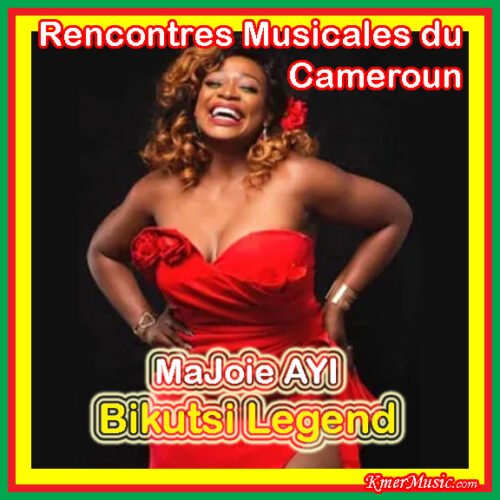
Majoie Ayi
is a prominent Cameroonian singer and songwriter celebrated for her contributions to the Bikutsi music genre. Known for her powerful voice and energetic performances, she has established herself as a significant figure in Central African music.
Career and Musical Style
Majoie Ayi’s music is characterized by the fast-paced, rhythmic intensity of Bikutsi, often blended with modern Afro-pop elements. Her career spans over a decade, with notable activity and releases continuing into 2025.
Source: Google
Nkodo Sitony: his life, his musical significance and legacy 👇
🎤 Who he was
Nkodo Sitony — real name Nkodo Si Tobi François — was a Cameroonian singer, born on 25 August 1959 in New Bell (Douala, Cameroon).
He passed away on 21 December 2021 in Yaoundé, at age 62.
Wikipedia, Actu Cameroun
🎶 Musical Career & Style
Nkodo Sitony was one of the main figures of Bikutsi — a traditional/popular musical genre from Cameroon.
He is often credited with modernizing Bikutsi during the 1980s.
His musical background included percussion, guitar, balafon, and more: he blended traditional rhythms with influences from afrobeat, high-life, and modern instrumentation.
Cameroun24, Afrik
📀 Achievements & Influence
Over a 40-year career span, he produced about 25 albums.
ÔCamer.com, cameroonconcordnews.com
His 1986 album 90° de Bikutsi à l’ombre became iconic: it earned him, in 1988, the awards for “Song of the Year” and “Artist of the Year.”
Some of his most famous songs — still regarded as classics in Cameroon — include Mba Mvoe, Métil Wa, Ngoan Ezoum, and Wa Yi Ma Wo Ya.
Beyond music, his style — mixing traditional rhythms and instruments with modern sounds — helped pave the way for “techno-Bikutsi” or modern Bikutsi, influencing subsequent generations of Cameroonian musicians.
💔 Death & Legacy
After a long illness, Nkodo Sitony died on 21 December 2021 in Yaoundé.
He left behind a large discography and remains celebrated as one of the legends of Bikutsi and Cameroonian music.
His music continues to resonate today: many Cameroonians (and fans of African music) still listen to his songs; his fusion of tradition and modernity remains influential.
🎤 Spotlight: Rantamplan
Who she is
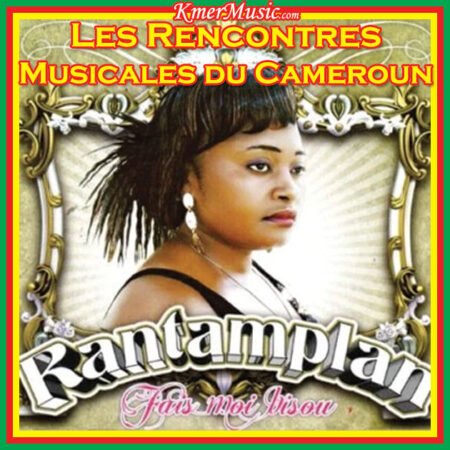
Rantamplan (real name Koué Dorothée) is a singer‐dancer from Cameroon, noted for her work in the genre Bikutsi in the 1990s. She hails from the East Region of Cameroon (Messamena). agendaculturelducameroun.com
Her nickname “Rantamplan” apparently comes from a stage rapport with fellow musician Nkodo Si Tony (also known as Si-Tony) where they were likened to “Lucky Luke and Rantamplan” on stage—eventually the name stuck. agendaculturelducameroun.com
Musical & dance contributions
She worked initially as a dancer and chorist for Si Tony, then made the move into recording. agendaculturelducameroun.com
Her first recorded release: an album titled Ezezek (4 tracks), done in two days in the mobile studio of the engineer/arranger Mystic Djim (Clément Djimogne). agendaculturelducameroun.com
Her style is intimately connected with Bikutsi, a rhythm‐based, foot-stomping genre from the Beti/Ewondo people of central Cameroon. The term “bikutsi” itself means “to beat the earth / to stomp the feet”. Wikipedia
Importantly, Rantamplan is credited as being a pioneer among female performers in Bikutsi who combine singing and dancing—bringing dance moves from her home culture into the mainstream of Bikutsi performance. agendaculturelducameroun.com
🔥 Artist Spotlight: K-Tino 🔥
Meet K-Tino, the powerhouse voice of Cameroon’s bikutsi sound — bold, fearless, and full of rhythm. Known as “La Femme du Peuple” (The Woman of the People), she’s spent decades turning everyday stories into explosive dance anthems that celebrate strength, culture, and joy. 💃🏾🇨🇲
After lighting up the ’90s and 2000s with hits like Ascenseur and Casse Bambou, she made a massive comeback with “Wata Fufu.” Today, K-Tino stands tall as both a musical legend and a symbol of African pride. ✊🏾🎶 chatgpt
If Lady Ponce is the queen, Coco Argentée is the star that keeps Bikutsi shining in fresh directions. Born Corine Céline Ntyame in 1982, Coco Argentée has built a reputation as one of Cameroon’s most flamboyant and inventive Bikutsi performers. Her nickname “La Go Galaxy” reflects her futuristic style, bold fashion, and cosmic stage presence.
Early Life & Rise
Coco Argentée’s journey was not a straight line. Originally a school teacher, she turned to music with fearless determination. Her debut album Nostalgie (2010) was a hit, establishing her as a major player in the Bikutsi scene. Since then, she has released a string of successful projects and singles that blend tradition with modern pop sensibilities.
ChatGPT