
Bernard Dikoume and the Assiko Tradition
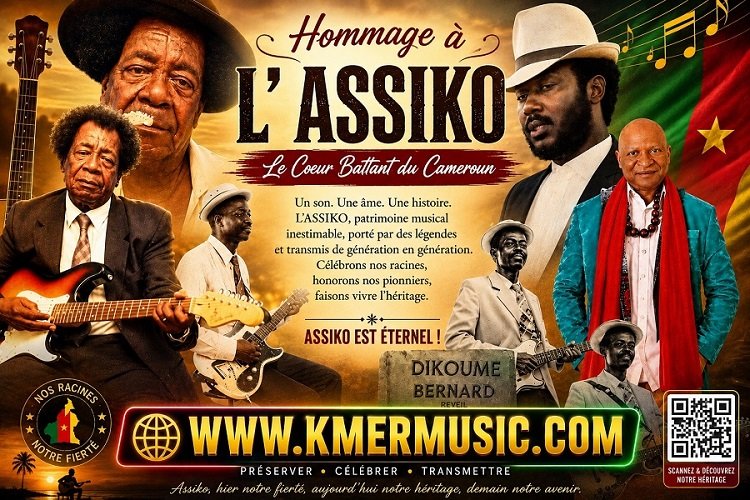
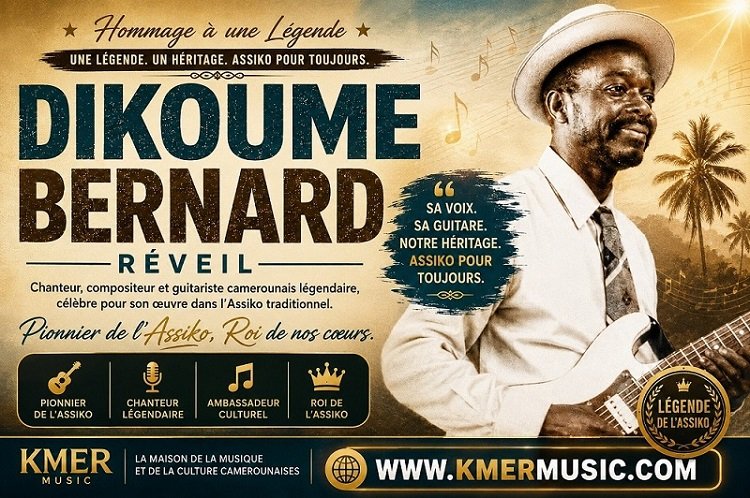
Bernard Dikoume occupies an important place in the history of Assiko, the vibrant guitar-driven musical tradition associated with the Bassa people of southern Cameroon. Alongside figures such as Jean Bikoko Aladin and Médjo Me Nsom, Dikoume helped bring Assiko from its traditional setting into the broader sphere of Cameroonian popular music.
Assiko is distinguished by its rapid, infectious rhythm, intricate guitar technique, and distinctive percussion—traditionally produced by striking an empty bottle with a metal object such as a knife or fork. The music is closely connected to energetic dance, with rhythm, guitar, voice, and movement functioning as a unified expression of cultural identity.
Dikoume’s contribution is particularly significant because of his role as a guitarist and early popularizer of Assiko. His recordings demonstrate the centrality of the guitar to the genre’s modern sound. His album Son Ngi Mut – Chaud Gars (Assiko – Cameroon), recorded with Samson and associated with the 1988 repertoire, includes songs such as “Son Ngi Mut,” “Tomblo Boag,” “Niga e Me,” “Ngombi,” “Beb Wo,” and “Mbombe.”
Through his musicianship, Bernard Dikoume represents a generation that preserved the rhythmic and cultural foundations of Assiko while helping establish it as an enduring form of Cameroonian popular music. His name remains closely linked to the genre’s development and to the distinctive guitar-centered sound that continues to define Assiko.