

































NEW RELEASES . . .
 13
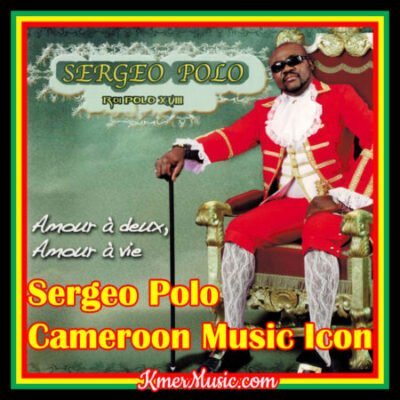
Sergio POLO
13
Sergio POLO
- 23
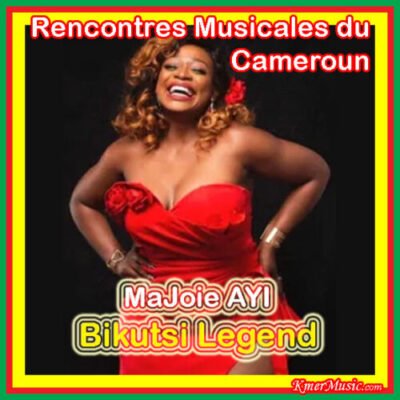
MaJoie AYI
 25
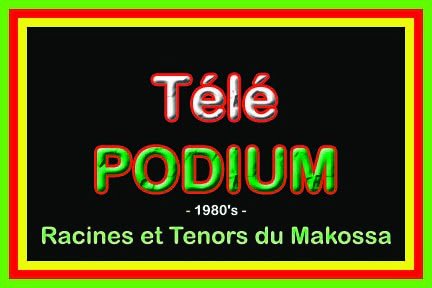
Télé Podium
25
Télé Podium
 31
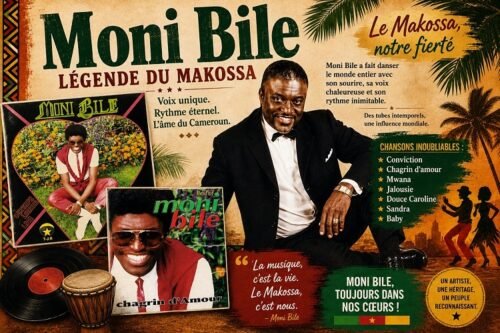
Moni BILE
31
Moni BILE
 32
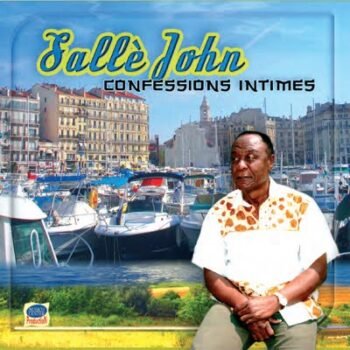
Salle John
32
Salle John
 34
Jacky KINGUE
34
Jacky KINGUE
 38
Hugo NYAME
38
Hugo NYAME
 39
DouLeur
39
DouLeur
 40
Samy DICKO
40
Samy DICKO
 42
Eboa LOTIN
42
Eboa LOTIN
- 44
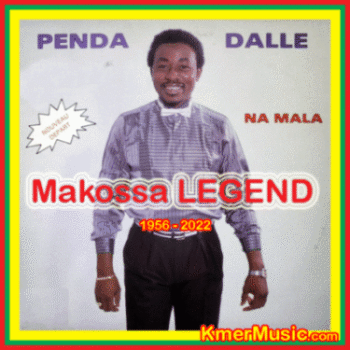
Penda DALLE
 48
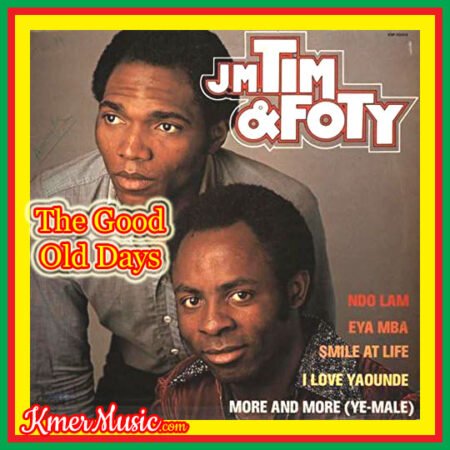
Tim & Foty
48
Tim & Foty
 49
Ben DECCA
49
Ben DECCA
 52
Manu DIBANGO
52
Manu DIBANGO
 56
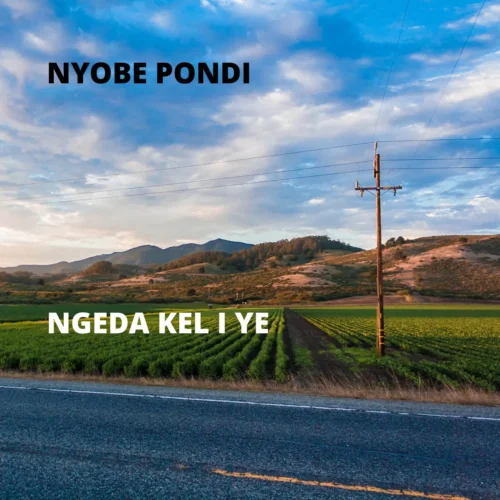
NYOBE Pondy
56
NYOBE Pondy
 60
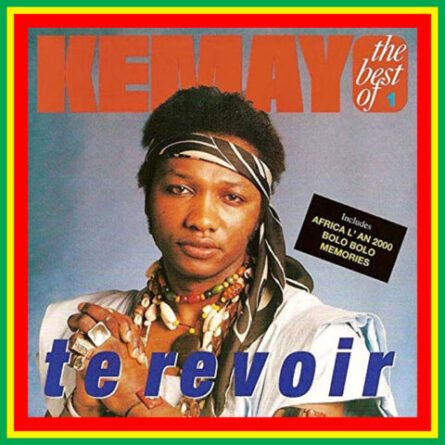
Elvis KEMAYO
60
Elvis KEMAYO
 61
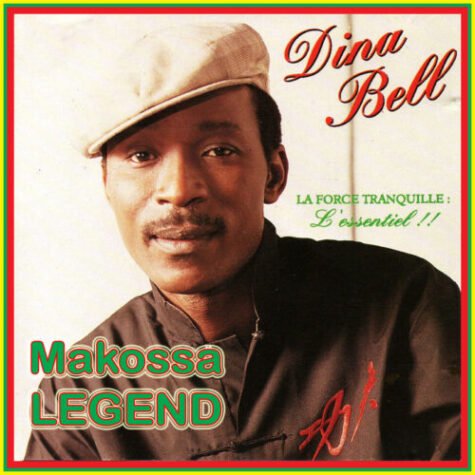
Dina BELL
61
Dina BELL
- 63
Nkodo SITONY
 66
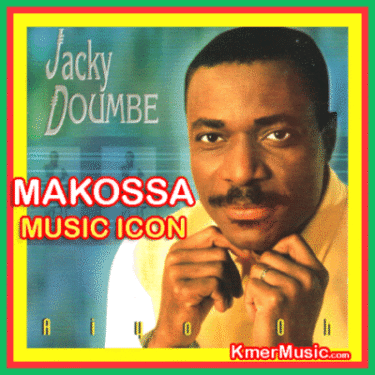
Jacky DOUMBE
66
Jacky DOUMBE






























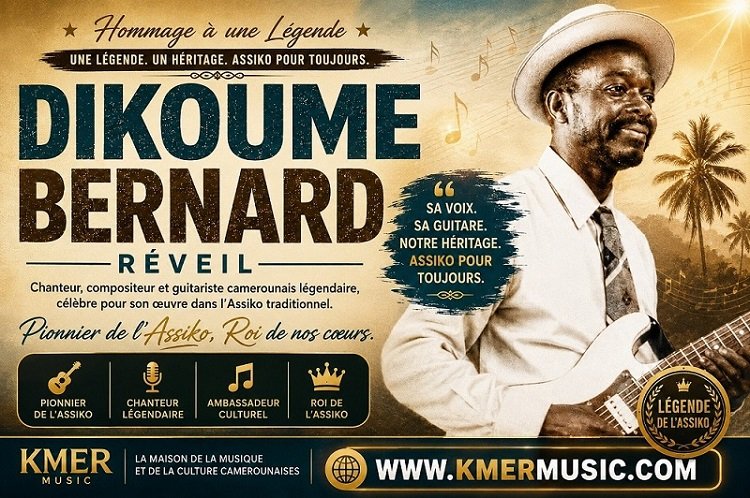
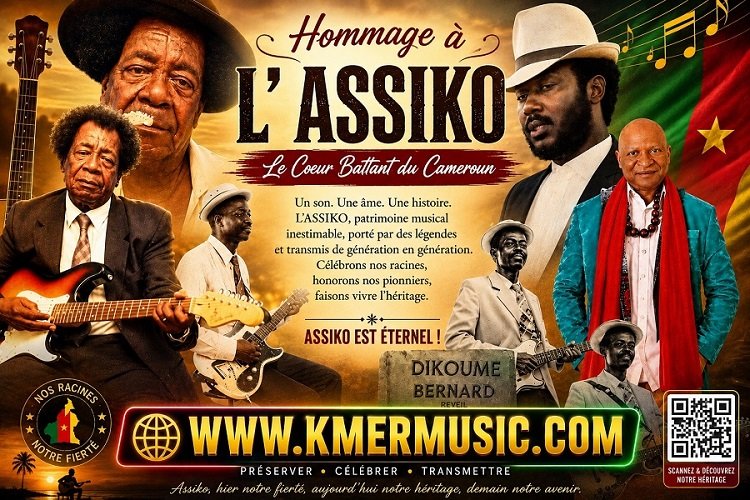
Bernard DIKOUME
Bernard Dikoume and the Assiko Tradition Bernard Dikoume occupies an important place in the history…
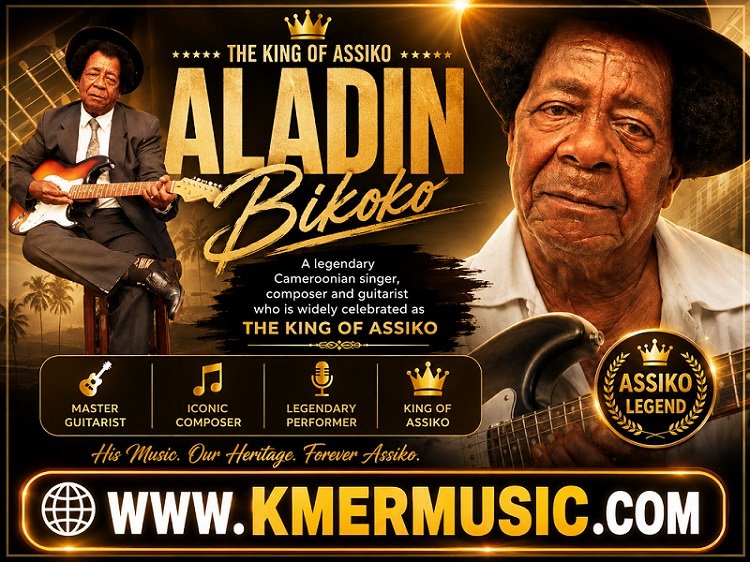
Aladin BIKOKO
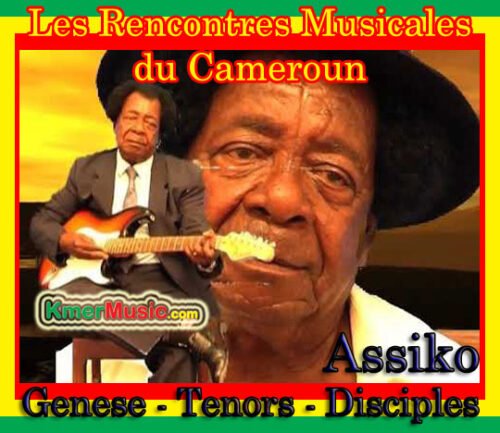
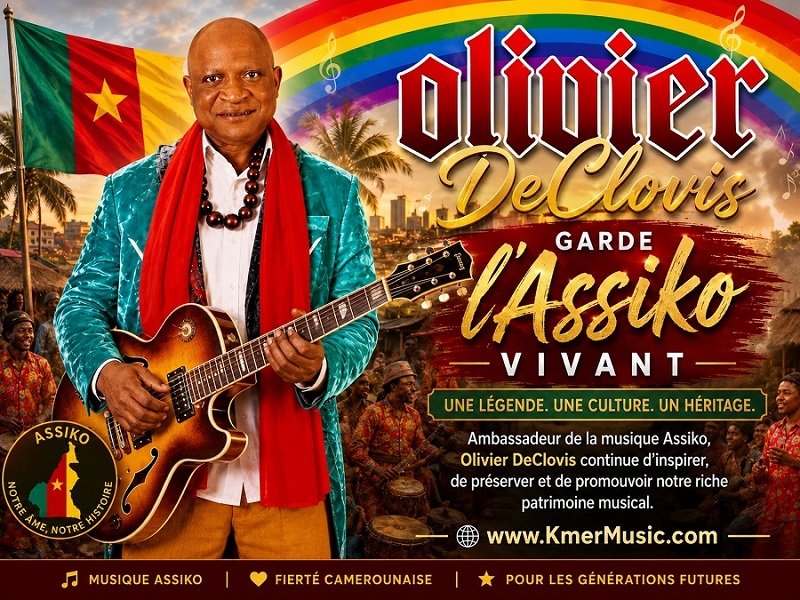
Jean Bikoko « Aladin », pionnier de l’Assiko Jean Bikoko, plus connu sous le nom…
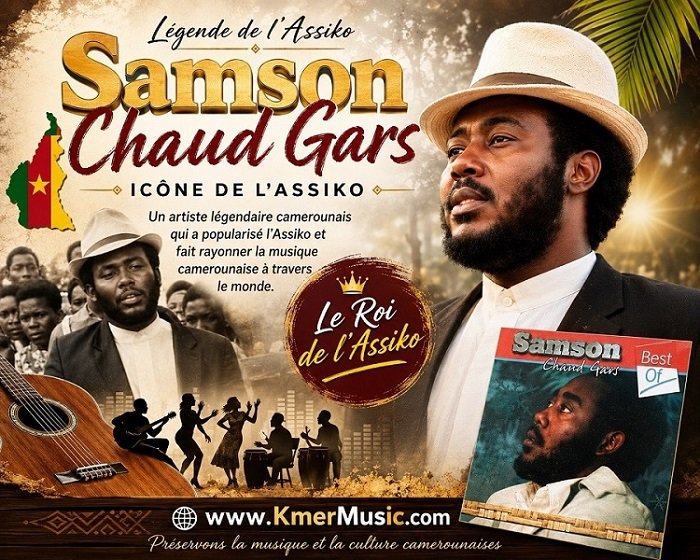
SamSon Chaud Gars
Samson Chaud Gars, une figure majeure de l’Assiko camerounais Samson Chaud Gars occupe une place…
















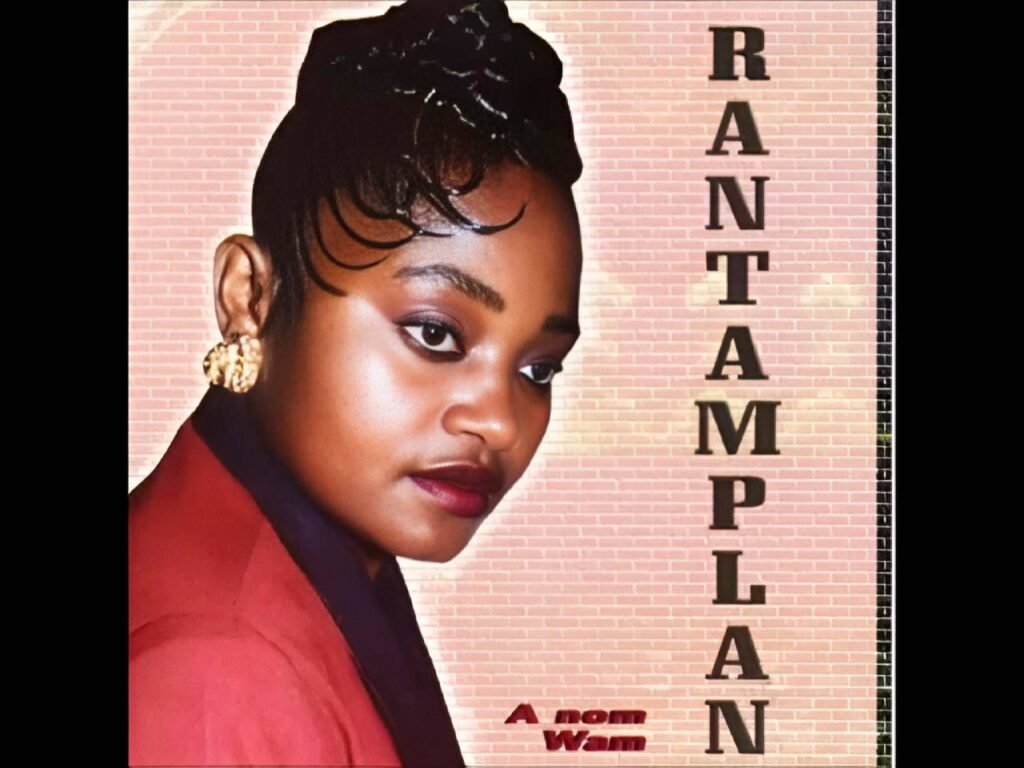


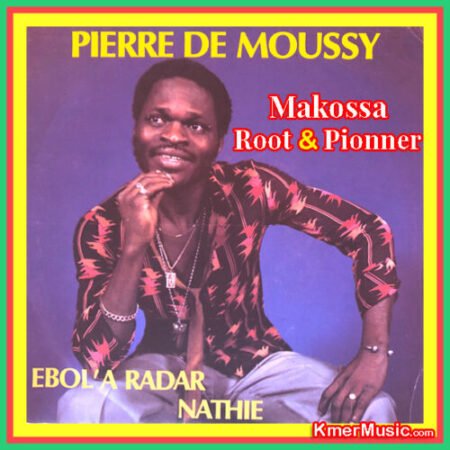

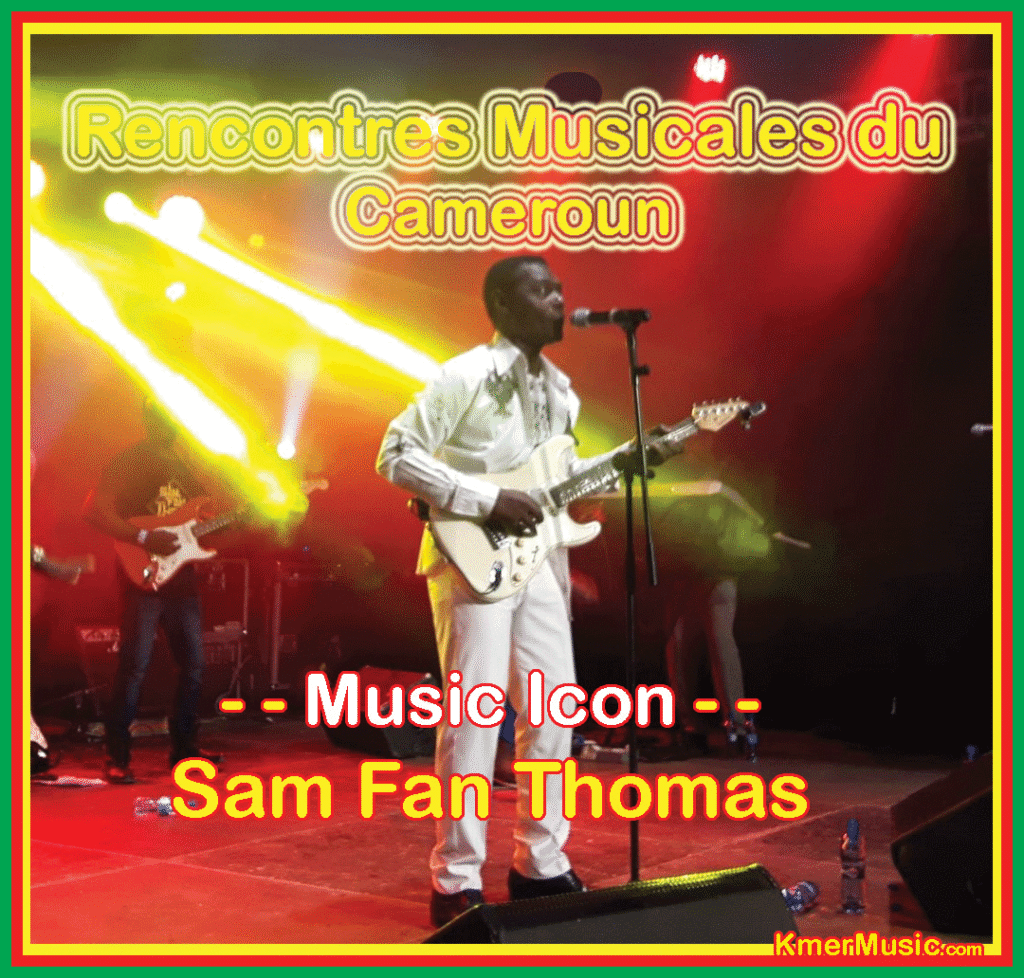


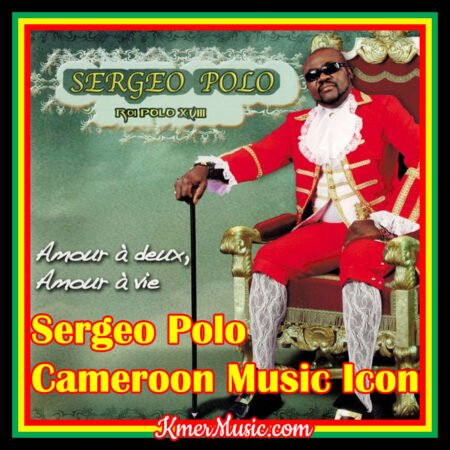

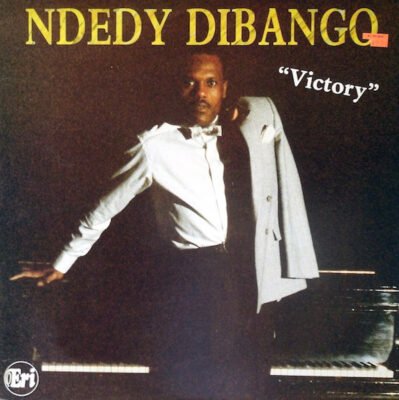
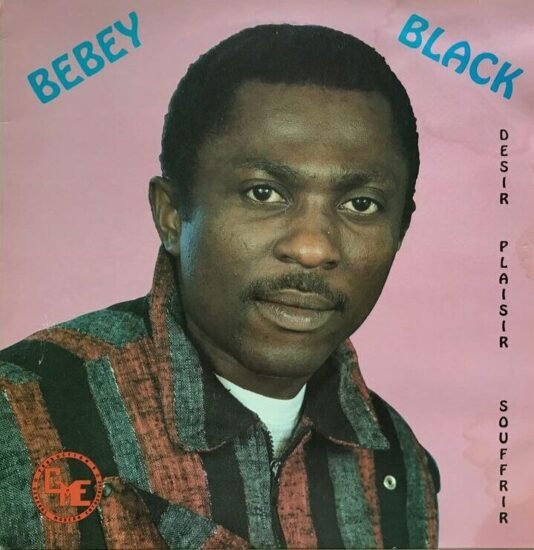
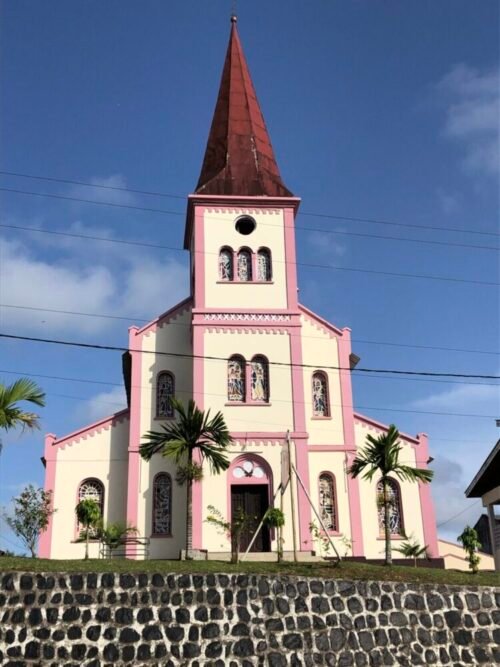
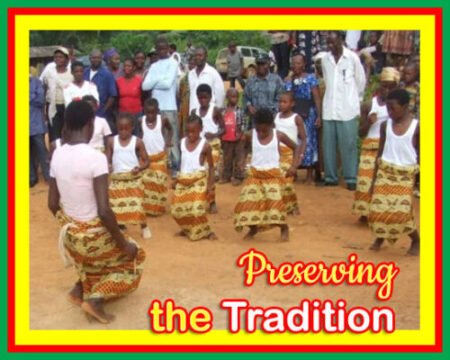
La Bible de-ASSIKO
Assiko
is a vibrant traditional music genre and dance originating from the Bassa people of southern Cameroon. The name is derived from the Bassa words issi (earth) and go (foot), literally translating to “foot on the earth”.
Key Characteristics
The Bottle Rhythm: A defining element of Assiko is its percussion. A percussionist typically uses metal knives or forks to strike an empty glass bottle, creating a sharp, pulsating rhythm.
Instrumentation: Modern Assiko centers on the acoustic or electric guitar, often accompanied by the bottle percussion and sometimes a double bass or drums.
Musical Style: It is characterized by a fast tempo, catchy melodies, and a “hocket” vocal style where singers alternate notes to create a seamless rhythmic blend.
The Dance: It is a high-energy partnered dance featuring rapid footwork and fluid, rolling hip movements. Dancers often perform impressive balancing acts, such as dancing with bottles on their heads.
Source: Google
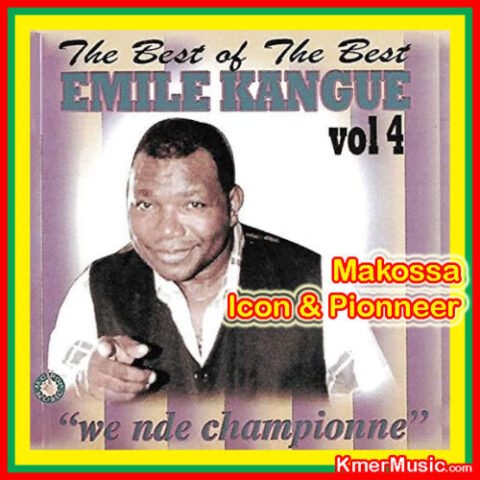
Emile KANGUE
Émile Kangue
Profession: Singer, composer, bassist.
emilekangue.com, Agenda Culturel du Cameroun
Genre: Makossa (a popular music genre in Cameroon).
Career Highlights
Early life: He started in a choir with his mother and later joined a school orchestra called Les Bandeaux Noirs. emilekangue.com
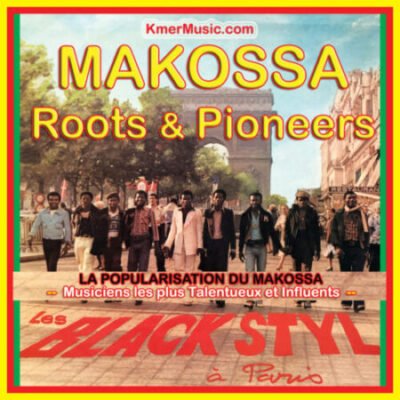
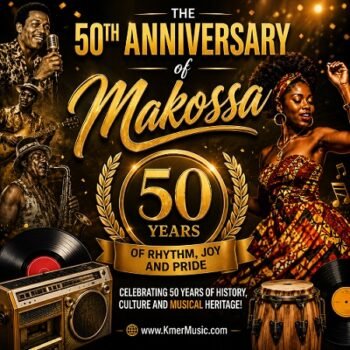
Black Styl: In the early 1970s, he joined the influential makossa group Black Styl, playing bass alongside other big names like Nkotti François and Toto Guillaume.
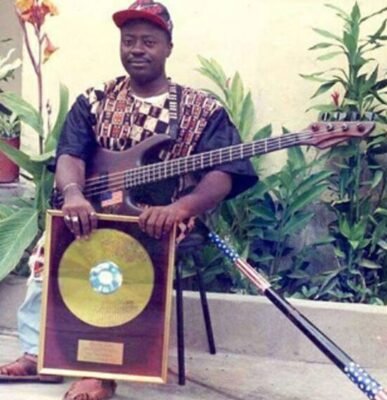
Solo Career: He went solo and released Dikom Lam La Moto in 1980. The song was very successful and sold over 50,000 copies, earning him a gold record. emilekangue.com, Actu Cameroun
Legacy & Recognition:
Considered a pioneer of modern makossa.
Celebrated in Cameroon for decades; at one point, his 45 years of career were publicly honored.
Source: ChatGPT
Elvis KEMAYO
Music style & impact
Genres: Makossa, soukous, funk, disco, Afro-pop
Known for blending African rhythms with Western styles
Big hit: “Africa Music Non-Stop” (1984)
His music helped shape modern African pop sounds and influenced artists across the continent.
Career highlights
Started music young (around age 13) in Douala
Worked in Gabon, becoming:
Director of the National Orchestra of Gabon
Founder of Studio Mademba
Produced major African artists like:
Manu Dibango
J.B. Mpiana
Werrason
Source: ChatGPT
Dina BELL
Dina Bell
(born May 28, 1953) is a legendary Cameroonian musician widely regarded as one of the most influential figures in the Makossa genre. Known by the nickname “Bazor,” he is celebrated for his smooth, melodic voice and his role in shaping the golden era of Cameroonian music during the 1970s and 1980s.
Key Facts & Career
Early Life: Born into a musical family in Douala-Akwa, Cameroon, he began his journey singing in church choirs.
Musical Style: He is known for “pure” and melodic Makossa, often characterized by its upbeat rhythm and soul-stirring vocals.
Breakthrough: His debut album, Yoma Yoma (1978), was a massive success in Cameroon, released while he was living in France.
Legacy: Despite the decline of Makossa’s popularity in later years and struggles with piracy, he remains a respected icon. He has spent recent years supporting young artists through his own recording studio
Source: AI Google
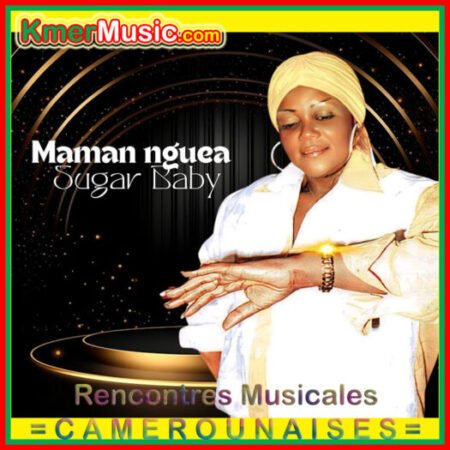
Nguea Laroute . Papillon
Nguéa Laroute (de son vrai nom Louise Koubinom), aussi connue sous le nom de Mama Nguéa, était une célèbre chanteuse et auteure-compositrice camerounaise, figure emblématique de la musique Makossa.
Née le 2 juillet 1960 à Yingui, elle est décédée le 14 juin 2020 à Douala après un long combat
contre le diabète.
Éléments clés de sa vie et de sa carrièreOrigines et débuts
Quatrième d’une fratrie de sept enfants, elle grandit à Douala (quartiers Deïdo et Akwa-Nord). Elle commence sa vie professionnelle dans la coiffure et la couture avant de se consacrer entièrement à sa passion pour la musique.
Style musical : Elle a marqué l’histoire de la musique camerounaise grâce à ses rythmes Makossa entraînants, sa voix puissante et ses textes mémorables
Succès incontournables : Parmi ses chansons les plus célèbres, on retrouve les titres phares Mamadou, Chauffer Moteur, et Désillusion.Discographie : Au cours de sa carrière, elle a collaboré avec des labels majeurs comme
JPS Production et a sorti de nombreux albums à succès tels que Chauffer Moteur (2000), Merry & John (2002), et Confort Sur Canapé (2006).
Credit: Google AI