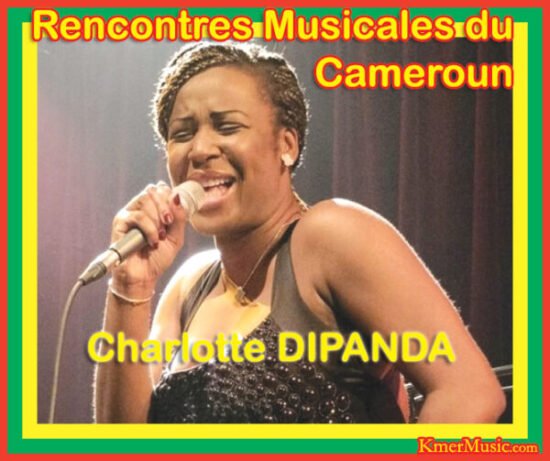
La Diva Charlotte DIPANDA

Spotlight on Charlotte Dipanda’s Musical Journey
1. Musical Style and Influence:

Charlotte Dipanda’s music is deeply rooted in African traditions, particularly the Bikutsi and Makossa genres, both of which originate from Cameroon. She seamlessly blends these traditional styles with contemporary elements like Afropop and R&B, which has allowed her to reach a broader, international audience. Her voice is often described as soulful and emotive, giving her songs a unique depth and richness.

Bikutsi: This genre, associated with the Beti people of Central Cameroon, is known for its rhythmic drumming and fast-paced, lively beats. Charlotte’s fusion of Bikutsi with modern sounds helps keep the genre fresh and appealing.

Makossa: Another style of music from Cameroon, characterized by upbeat rhythms and African danceable grooves. Charlotte’s incorporation of this style allows her to blend cultural authenticity with universal appeal.

2. Early Career & Breakthrough:

Charlotte Dipanda first made waves in the mid-2000s, thanks to her debut album, “Missa” (2006), which was well-received both in Cameroon and across Africa. The album’s success helped solidify her as one of the rising stars of Cameroonian music. She quickly became known for her beautiful, heartfelt lyrics and melodic compositions.

Her career took another leap forward in 2010 with her second album “Nasek” which included tracks that not only charted in Cameroon but also gained international attention, leading to performances in Europe and other parts of the world.

3. Key Albums and Songs:

“Missa” (2006): This debut album included popular hits like “Missa” and “La Vie C’est Moi,” which introduced Charlotte as an emerging star in African music. The album’s themes centered around love, identity, and empowerment.

“Nasek” (2010): This album helped cement Charlotte’s place in the African music scene. It introduced the world to songs like “Dodi” and “C’est Ma Vie,” which were widely praised for their catchy rhythms and deep cultural resonance.

“Kongossa” (2019): Her album “Kongossa” marks a more recent chapter in her musical journey. The album features songs that blend African rhythms with more polished, contemporary production. The title itself, “Kongossa” (meaning “gossip” in Cameroonian slang), reflects a lighthearted approach to addressing love, relationships, and social issues.

4. Major Achievements:

International Recognition: Charlotte Dipanda’s music has crossed borders, and she has gained a substantial international fanbase. She has performed on stages across Europe, the US, and other parts of Africa, bringing Cameroonian music to global platforms.

Awards & Nominations: While she’s not just about the awards, Charlotte has been recognized in various African music awards, such as the African Music Awards and Canal 2 International Awards (Cameroonian music awards). Her work has helped elevate the profile of African music globally.

Cultural Ambassador: Charlotte Dipanda is seen not just as a performer but as an ambassador for Cameroonian culture. She actively promotes the rich musical heritage of her home country, while also incorporating other global influences into her work.

5. Impact and Legacy:

Charlotte Dipanda’s blend of traditional and modern African music has played a key role in bringing Cameroonian music into the global spotlight. Her ability to mix Bikutsi, Makossa, and Afropop has made her a standout figure in the African music scene.

What sets her apart is her ability to speak to universal emotions and experiences through her music while maintaining a strong sense of cultural identity. She often addresses themes such as love, relationships, self-worth, and social issues, resonating with a wide variety of listeners.

Her emotional performances and powerful voice have made her a beloved figure among her fans, and her influence continues to grow.

6. Live Performances and Stage Presence:

Charlotte Dipanda is known for her incredible stage presence. Her live performances are a blend of captivating vocals and energetic delivery. She’s performed at major African music festivals like Africajarc in France, the Bikutsi Festival, and other notable events that celebrate African music.

Her ability to connect with audiences on stage is a testament to her musical depth and the genuine passion she has for her craft.

Charlotte Dipanda’s Musical Legacy:

In addition to her success as a performer, Charlotte has been instrumental in fostering the appreciation of Cameroonian musical genres, especially Bikutsi, by updating and globalizing them. As one of the leading figures in the new wave of African music, she’s helping pave the way for other African artists to make their mark on the world stage.

Her continued success proves that African music is not just local or regional, but a universal language that speaks to people from all walks of life.
ChatGPT

Loading

Best of Coco ARGENTE

Coco Argentée – La Go Galaxy of Bikutsi

If Lady Ponce is the queen, Coco Argentée is the star that keeps Bikutsi shining in fresh directions. Born Corine Céline Ntyame in 1982, Coco Argentée has built a reputation as one of Cameroon’s most flamboyant and inventive Bikutsi performers. Her nickname “La Go Galaxy” reflects her futuristic style, bold fashion, and cosmic stage presence.
Early Life & Rise

Coco Argentée’s journey was not a straight line. Originally a school teacher, she turned to music with fearless determination. Her debut album Nostalgie (2010) was a hit, establishing her as a major player in the Bikutsi scene. Since then, she has released a string of successful projects and singles that blend tradition with modern pop sensibilities.
Musical Style: Bikutsi Meets Showbiz

Coco Argentée’s music respects Bikutsi’s rhythmic heartbeat but is wrapped in polished production, catchy hooks, and her unmistakable flair. Unlike Lady Ponce’s regal presence, Coco positions herself as playful, experimental, and cosmopolitan — bringing a fresh sparkle to a genre often considered traditional.
Themes & Persona

Her songs mix themes of love, longing, and joy with a sense of theatricality. She often plays with her image, using costumes, choreography, and media appearances to build a persona that is as much about entertainment as it is about music. This makes her especially appealing to younger, urban audiences who crave both rhythm and spectacle.
Why Coco Argentée Matters for Cameroonian Music

Coco Argentée shows that Bikutsi can be futuristic without losing its soul. By branding herself as La Go Galaxy, she creates a modern cultural identity for the genre — one that feels glamorous, accessible, and proudly Cameroonian.

Loading

Best of Hoigen EKWALLA

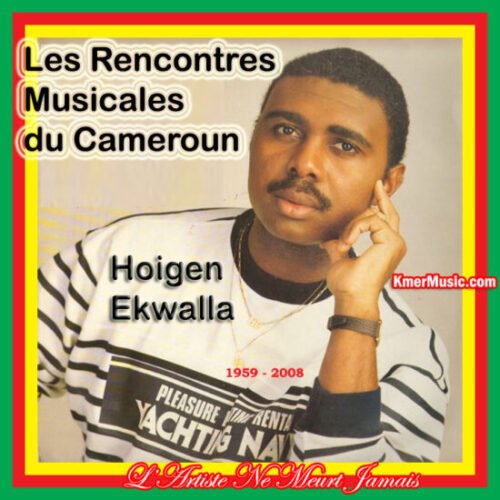
Hoigen Ekwalla
(born Ekwalla Mpouli Eugène) (1949–2008) was a prominent Cameroonian musician known for his makossa music style. He gained fame in the 1980s and was recognized as the Artist of the Year in Cameroon in 1994.
Career and Life
Early Life: Born in Bonatéki, a quarter in Douala, Cameroon, Ekwalla lost his father at a young age. He worked as a mechanic and electrician before moving to Paris in 1980 and subsequently starting his music career back in Cameroon with the help of Kotti François.
Musical Style: He developed a particular talent for the guitar and played it on his albums. His music, often described as having a “velvet voice” and elegant appearance, featured sweet melodies and danceable rhythms.
Awards: He received a “Disque d’Or” (Gold Record) for his album Chat botté in 1988. His album Mon amie (1994, sometimes titled Mon amie vérité in 1995) earned him the title of Artist of the Year in Cameroon.
Later Years & Death: Frustrated by music piracy in Cameroon, he ventured into business in 2003, but never abandoned his passion for music. He was working on a new album in 2008 when he faced health problems. He died on October 23, 2008, in Laquintinie Hospital in Douala, leaving behind his mother, elder sister, and two children.
Source: Google

Loading

The Beautiful Dora DECCA

🎤 Who she is
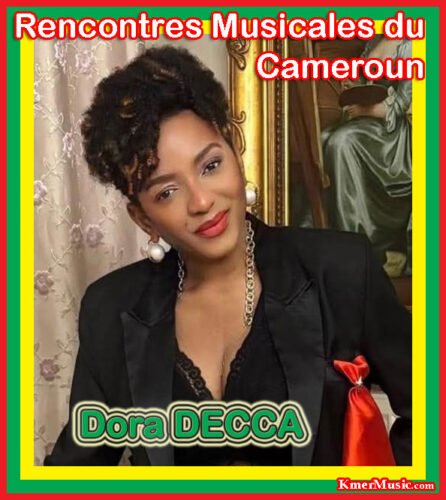
Dora Decca is a singer-songwriter from Douala, in the Littoral region of Cameroon.
Wikipedia
She belongs to a musical family: she is the younger sister of well-known singers Ben Decca and Grace Decca.
Wikipedia
📖 Her Background & Early Life
She was born on 11 April (year not always consistently reported). Wikipedia

She grew up in a large family of 11 children.
Wikipedia

In addition to music, she studied at a technical-commercial college in Douala (studying electricity/electronics), then later moved to France where she obtained her baccalauréat. Wikipedia

🎶 Musical Career
Although from a musical family and having done some backing vocals and chorus work early on (including for her brother Ben Decca), she officially started her solo career in 2002 with her first album titled Aphrodite.
Wikipedia

She went on to release two more albums: Dor’Attitude (2007) and Belalo (2012) under different production labels.
Wikipedia

doradecca.com

Her music style is primarily rooted in Makossa, a major popular genre from Cameroon.
Wikipedia

💡 Themes & Artistic Identity
On her album Belalo, Dora Decca explores social themes — she addresses issues such as material and spiritual poverty, identity loss, and calls especially on women to work for their independence and dignity.
culturebene.com

Beyond music, she has shown social commitment: she founded an association named Eveil Cameroun (in July 2004), aimed at cultural promotion and sensitizing youth — especially women and children — on HIV/AIDS prevention and support.
culturebene.com

📰 Recent Activity & Voice on Social Issues
In September 2023 she gave a strong testimony on social and political issues affecting her country, speaking about tribalism, injustices, eviction problems in Douala — and urged Cameroonians to unite.
Cameroun Actuel

Around 2022–2023 she hinted at working on new music, signalling a possible return or continuation of her musical career.
lebledparle.com

Loading