
Category: FEATURED
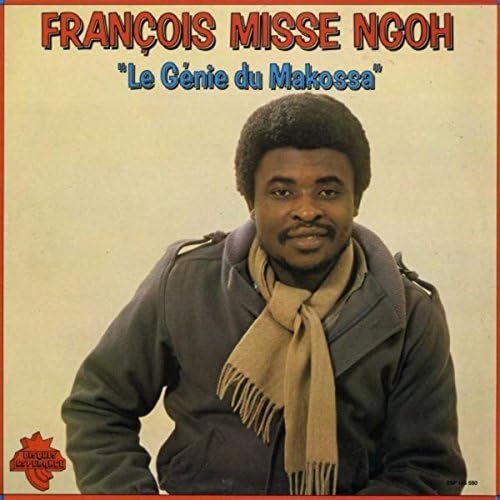
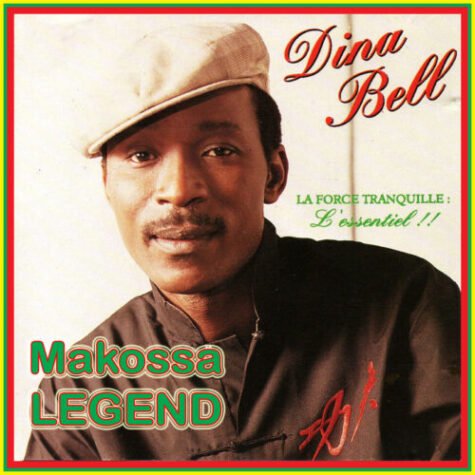
Dina BELL
Dina Bell
(born May 28, 1953) is a legendary Cameroonian musician widely regarded as one of the most influential figures in the Makossa genre. Known by the nickname “Bazor,” he is celebrated for his smooth, melodic voice and his role in shaping the golden era of Cameroonian music during the 1970s and 1980s.
Key Facts & Career
Early Life: Born into a musical family in Douala-Akwa, Cameroon, he began his journey singing in church choirs.
Musical Style: He is known for “pure” and melodic Makossa, often characterized by its upbeat rhythm and soul-stirring vocals.
Breakthrough: His debut album, Yoma Yoma (1978), was a massive success in Cameroon, released while he was living in France.
Legacy: Despite the decline of Makossa’s popularity in later years and struggles with piracy, he remains a respected icon. He has spent recent years supporting young artists through his own recording studio
Source: AI Google
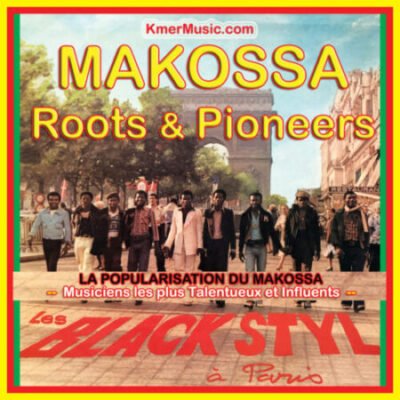
Les Black Styls
Les Black Styls (parfois écrit Les Black Styl) est un groupe camerounais emblématique dans l’histoire du makossa. Voici un aperçu de qui ils sont et pourquoi ils sont importants :
Qui sont Les Black Styls
Le groupe a été fondé vers 1972 par Nkotti François, un des grands noms du makossa.
Afrisson
African Grooves
Membres clés :
Émile Kangue (bassiste)
Emile Kangue
Toto Guillaume (guitariste)
Wikipedia
Mouellé Jean, Guy Lobé, entre autres, ont aussi fait partie du groupe.
African Grooves
Le groupe joue principalement du makossa, un genre populaire originaire du Cameroun.
Afrisson
Ils commencent leurs performances dans des bars de Douala, notamment le bar Mermoz.
Emile Kangue
Leur popularité les mènera jusqu’en France, où ils enregistrent des albums (“Black Styl à Paris”). Actu Cameroun
En 1978, ils enregistrent à Paris au Studio Harrison. Afrisson
Le groupe se réunit plus tard (dans les années 1990) avec certains membres originaux comme Émile Kangue. Afrisson
Leur Style et Influence
Leur musique mélange des éléments de funk, soul et disco avec le makossa traditionnel, ce qui en faisait un groupe très dansant et moderne pour l’époque. African Grooves
Ils ont contribué à populariser le makossa dans les années 1970, en étant parmi les groupes “phare” du genre. Afrisson
L’un de leurs morceaux emblématiques est « Black Styl Mwassa », qui est comme un hymne du groupe. Actu Cameroun
Membres Notables
Nkotti François : leader du groupe. Afrisson
Émile Kangue : bassiste, également chanteur/compositeur, et “icône” du groupe.
Toto Guillaume : guitariste influent, il a d’ailleurs donné le nom au groupe.
Wikipedia
Importance dans le Makossa
Les Black Styls représentent la “deuxième vague” du makossa, quand le genre évolue vers des sonorités plus modernes (funk, disco). Transatlantic Cultures
Ils sont cités parmi les acteurs majeurs qui ont amené le makossa camerounais à un public plus large, y compris international.
The Africa Report
Leur musique continue d’être redécouverte aujourd’hui, notamment via des labels ou des sites spécialisés qui rééditent leurs titres.
African Grooves
ChatGPT
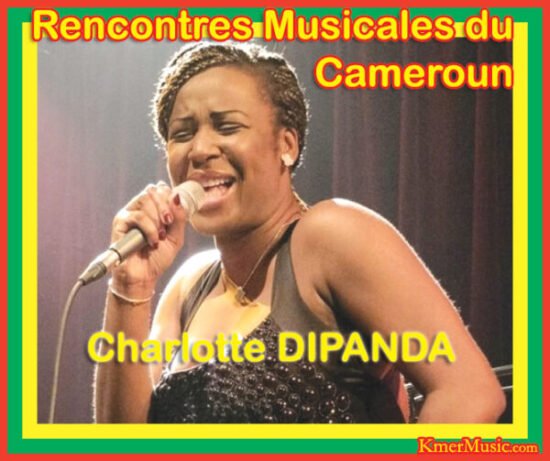
La Diva Charlotte DIPANDA
Spotlight on Charlotte Dipanda’s Musical Journey
1. Musical Style and Influence:
Charlotte Dipanda’s music is deeply rooted in African traditions, particularly the Bikutsi and Makossa genres, both of which originate from Cameroon. She seamlessly blends these traditional styles with contemporary elements like Afropop and R&B, which has allowed her to reach a broader, international audience. Her voice is often described as soulful and emotive, giving her songs a unique depth and richness.
Bikutsi: This genre, associated with the Beti people of Central Cameroon, is known for its rhythmic drumming and fast-paced, lively beats. Charlotte’s fusion of Bikutsi with modern sounds helps keep the genre fresh and appealing.
Makossa: Another style of music from Cameroon, characterized by upbeat rhythms and African danceable grooves. Charlotte’s incorporation of this style allows her to blend cultural authenticity with universal appeal.
2. Early Career & Breakthrough:
Charlotte Dipanda first made waves in the mid-2000s, thanks to her debut album, “Missa” (2006), which was well-received both in Cameroon and across Africa. The album’s success helped solidify her as one of the rising stars of Cameroonian music. She quickly became known for her beautiful, heartfelt lyrics and melodic compositions.
Her career took another leap forward in 2010 with her second album “Nasek” which included tracks that not only charted in Cameroon but also gained international attention, leading to performances in Europe and other parts of the world.
ChatGPT