
Category: Entertainment
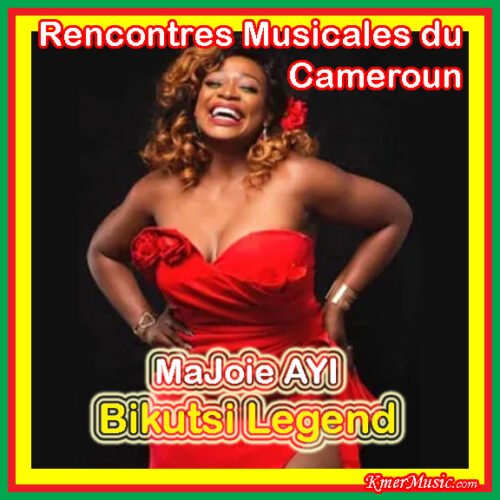
MaJoie AYI
Majoie Ayi
is a prominent Cameroonian singer and songwriter celebrated for her contributions to the Bikutsi music genre. Known for her powerful voice and energetic performances, she has established herself as a significant figure in Central African music.
Career and Musical Style
Majoie Ayi’s music is characterized by the fast-paced, rhythmic intensity of Bikutsi, often blended with modern Afro-pop elements. Her career spans over a decade, with notable activity and releases continuing into 2025.
Source: Google

Best of Cameroon Blues
A soulfoul journey through the best of blues, storytelling and timelessCameroonian Melodies
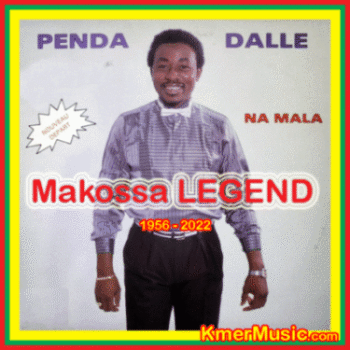
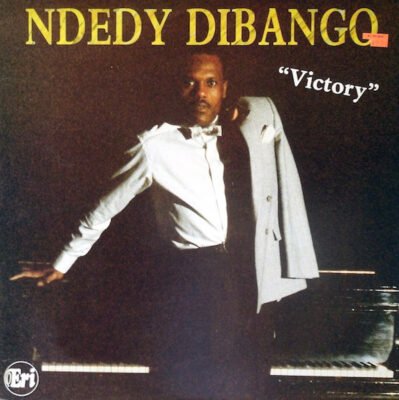
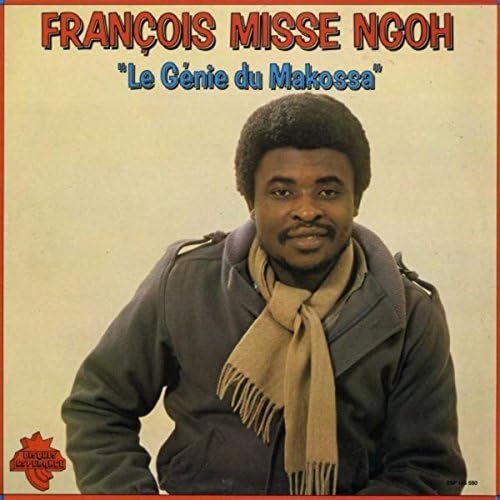
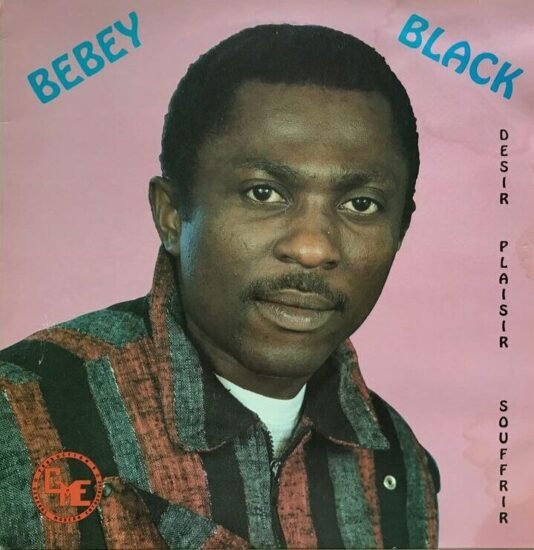
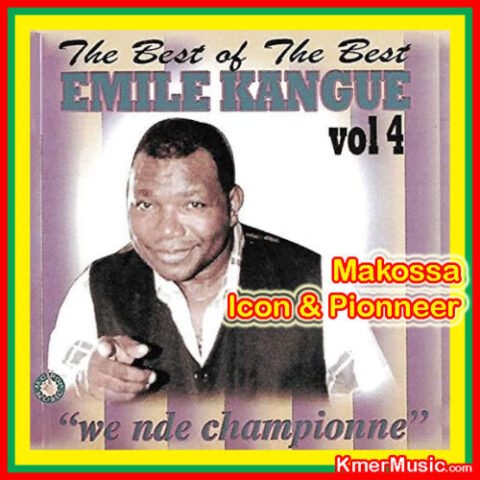
Emile KANGUE
Émile Kangue
Profession: Singer, composer, bassist.
emilekangue.com, Agenda Culturel du Cameroun
Genre: Makossa (a popular music genre in Cameroon).
Career Highlights
Early life: He started in a choir with his mother and later joined a school orchestra called Les Bandeaux Noirs. emilekangue.com
Black Styl: In the early 1970s, he joined the influential makossa group Black Styl, playing bass alongside other big names like Nkotti François and Toto Guillaume.
Solo Career: He went solo and released Dikom Lam La Moto in 1980. The song was very successful and sold over 50,000 copies, earning him a gold record. emilekangue.com, Actu Cameroun
Legacy & Recognition:
Considered a pioneer of modern makossa.
Celebrated in Cameroon for decades; at one point, his 45 years of career were publicly honored.
Source: ChatGPT

Nkodo SITONY
Nkodo Sitony: his life, his musical significance and legacy 👇
🎤 Who he was
Nkodo Sitony — real name Nkodo Si Tobi François — was a Cameroonian singer, born on 25 August 1959 in New Bell (Douala, Cameroon).
He passed away on 21 December 2021 in Yaoundé, at age 62.
Wikipedia, Actu Cameroun
🎶 Musical Career & Style
Nkodo Sitony was one of the main figures of Bikutsi — a traditional/popular musical genre from Cameroon.
He is often credited with modernizing Bikutsi during the 1980s.
His musical background included percussion, guitar, balafon, and more: he blended traditional rhythms with influences from afrobeat, high-life, and modern instrumentation.
Cameroun24, Afrik
📀 Achievements & Influence
Over a 40-year career span, he produced about 25 albums.
ÔCamer.com, cameroonconcordnews.com
His 1986 album 90° de Bikutsi à l’ombre became iconic: it earned him, in 1988, the awards for “Song of the Year” and “Artist of the Year.”
Some of his most famous songs — still regarded as classics in Cameroon — include Mba Mvoe, Métil Wa, Ngoan Ezoum, and Wa Yi Ma Wo Ya.
Beyond music, his style — mixing traditional rhythms and instruments with modern sounds — helped pave the way for “techno-Bikutsi” or modern Bikutsi, influencing subsequent generations of Cameroonian musicians.
💔 Death & Legacy
After a long illness, Nkodo Sitony died on 21 December 2021 in Yaoundé.
He left behind a large discography and remains celebrated as one of the legends of Bikutsi and Cameroonian music.
His music continues to resonate today: many Cameroonians (and fans of African music) still listen to his songs; his fusion of tradition and modernity remains influential.