
Category: blues

ESA . Stephane DAYAS
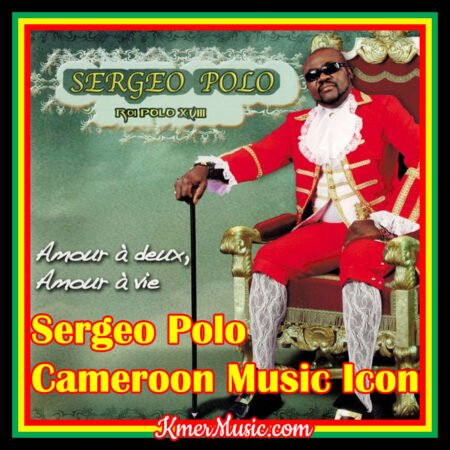
ESA’ the stage name for Stephan Dayas Nguea, is a Cameroonian musician, singer, and producer known for blending traditional African rhythms with modern soul and funk.
Early Life and Musical Origins
Family Background: Born into a musical family, his father was a guitarist during the German protectorate era in Cameroon. He developed his passion for music alongside his brother, George Dayas Wonjamouna, influenced by 1960s African sounds like Makossa, highlife, and Congolese music.
ESA Formation: The name “ESA” (pronounced “ESSA”) comes from the Sawa people of southwest Cameroon, meaning “evocative magic” or “spiritual contact”. Originally formed in 1986 in Douala as a duo with Martin Socko Moukoko, the project eventually became Stephan Dayas’s solo venture. Source: AI Google
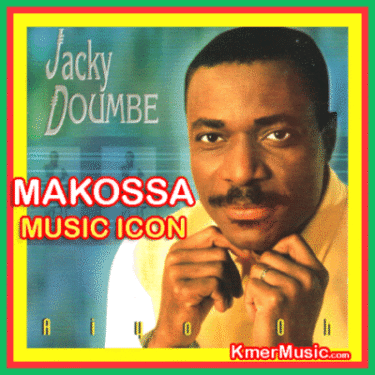
Jacky DOUMBE
Jacky Doumbé is a musician and singer known for his work in Afro-Pop and Makossa, styles of popular music rooted in Cameroon’s musical traditions. His recordings include songs and releases that have appeared on platforms like Apple Music and Shazam.
About Jacky Doumbé
Genre & Style: Primarily Afro-Pop and Makossa, a vibrant dance-oriented music genre from Cameroon.
Releases: He has released material such as the EP Mum’a akwala (1985), featuring multiple tracks in the Afro-Pop tradition.
Songs: Known single/track titles attributed to him include:
“Petit jeune homme” — performed and written by Jacky Doumbé.
“Lambo lam” — another track credited to him in Afro-Pop style.
Tracks like “Lo si wanea mba” appear on albums such as Monoki on streaming services.
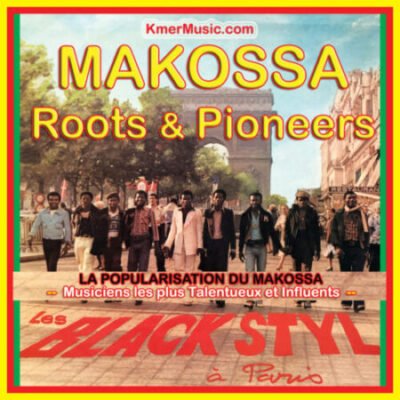
Les Black Styls
Les Black Styls (parfois écrit Les Black Styl) est un groupe camerounais emblématique dans l’histoire du makossa. Voici un aperçu de qui ils sont et pourquoi ils sont importants :
Qui sont Les Black Styls
Le groupe a été fondé vers 1972 par Nkotti François, un des grands noms du makossa.
Afrisson
African Grooves
Membres clés :
Émile Kangue (bassiste)
Emile Kangue
Toto Guillaume (guitariste)
Wikipedia
Mouellé Jean, Guy Lobé, entre autres, ont aussi fait partie du groupe.
African Grooves
Le groupe joue principalement du makossa, un genre populaire originaire du Cameroun.
Afrisson
Ils commencent leurs performances dans des bars de Douala, notamment le bar Mermoz.
Emile Kangue
Leur popularité les mènera jusqu’en France, où ils enregistrent des albums (“Black Styl à Paris”). Actu Cameroun
En 1978, ils enregistrent à Paris au Studio Harrison. Afrisson
Le groupe se réunit plus tard (dans les années 1990) avec certains membres originaux comme Émile Kangue. Afrisson
Leur Style et Influence
Leur musique mélange des éléments de funk, soul et disco avec le makossa traditionnel, ce qui en faisait un groupe très dansant et moderne pour l’époque. African Grooves
Ils ont contribué à populariser le makossa dans les années 1970, en étant parmi les groupes “phare” du genre. Afrisson
L’un de leurs morceaux emblématiques est « Black Styl Mwassa », qui est comme un hymne du groupe. Actu Cameroun
Membres Notables
Nkotti François : leader du groupe. Afrisson
Émile Kangue : bassiste, également chanteur/compositeur, et “icône” du groupe.
Toto Guillaume : guitariste influent, il a d’ailleurs donné le nom au groupe.
Wikipedia
Importance dans le Makossa
Les Black Styls représentent la “deuxième vague” du makossa, quand le genre évolue vers des sonorités plus modernes (funk, disco). Transatlantic Cultures
Ils sont cités parmi les acteurs majeurs qui ont amené le makossa camerounais à un public plus large, y compris international.
The Africa Report
Leur musique continue d’être redécouverte aujourd’hui, notamment via des labels ou des sites spécialisés qui rééditent leurs titres.
African Grooves
ChatGPT


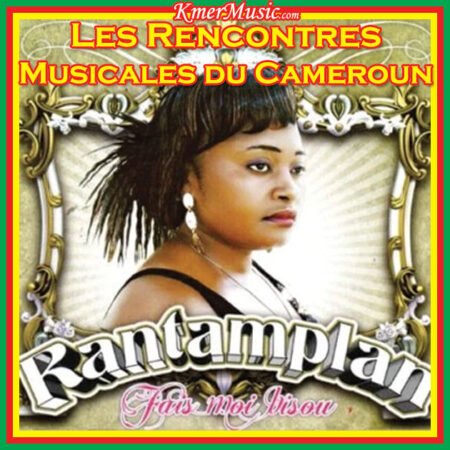
Best of RANTAMPLAN
🎤 Spotlight: Rantamplan
Who she is
Rantamplan (real name Koué Dorothée) is a singer‐dancer from Cameroon, noted for her work in the genre Bikutsi in the 1990s. She hails from the East Region of Cameroon (Messamena). agendaculturelducameroun.com
Her nickname “Rantamplan” apparently comes from a stage rapport with fellow musician Nkodo Si Tony (also known as Si-Tony) where they were likened to “Lucky Luke and Rantamplan” on stage—eventually the name stuck. agendaculturelducameroun.com
Musical & dance contributions
She worked initially as a dancer and chorist for Si Tony, then made the move into recording. agendaculturelducameroun.com
Her first recorded release: an album titled Ezezek (4 tracks), done in two days in the mobile studio of the engineer/arranger Mystic Djim (Clément Djimogne). agendaculturelducameroun.com
Her style is intimately connected with Bikutsi, a rhythm‐based, foot-stomping genre from the Beti/Ewondo people of central Cameroon. The term “bikutsi” itself means “to beat the earth / to stomp the feet”. Wikipedia
Importantly, Rantamplan is credited as being a pioneer among female performers in Bikutsi who combine singing and dancing—bringing dance moves from her home culture into the mainstream of Bikutsi performance. agendaculturelducameroun.com