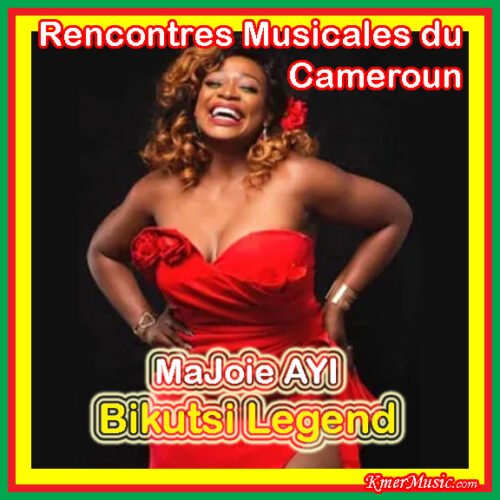
Majoie Ayi
is a prominent Cameroonian singer and songwriter celebrated for her contributions to the Bikutsi music genre. Known for her powerful voice and energetic performances, she has established herself as a significant figure in Central African music.
Career and Musical Style
Majoie Ayi’s music is characterized by the fast-paced, rhythmic intensity of Bikutsi, often blended with modern Afro-pop elements. Her career spans over a decade, with notable activity and releases continuing into 2025.
Source: Google
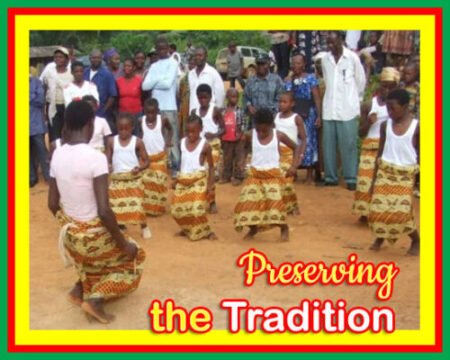
Assiko
is a vibrant traditional music genre and dance originating from the Bassa people of southern Cameroon. The name is derived from the Bassa words issi (earth) and go (foot), literally translating to “foot on the earth”.
Key Characteristics
The Bottle Rhythm: A defining element of Assiko is its percussion. A percussionist typically uses metal knives or forks to strike an empty glass bottle, creating a sharp, pulsating rhythm.
Instrumentation: Modern Assiko centers on the acoustic or electric guitar, often accompanied by the bottle percussion and sometimes a double bass or drums.
Musical Style: It is characterized by a fast tempo, catchy melodies, and a “hocket” vocal style where singers alternate notes to create a seamless rhythmic blend.
The Dance: It is a high-energy partnered dance featuring rapid footwork and fluid, rolling hip movements. Dancers often perform impressive balancing acts, such as dancing with bottles on their heads.
Source: Google
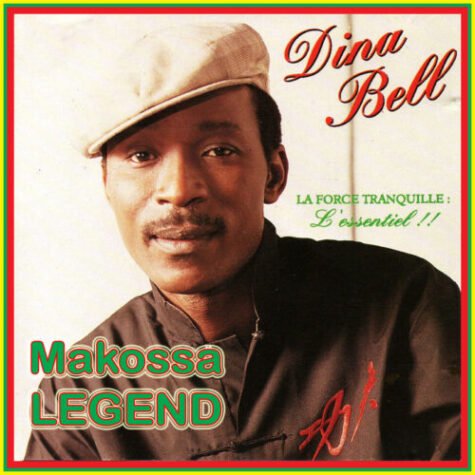
Dina Bell
(born May 28, 1953) is a legendary Cameroonian musician widely regarded as one of the most influential figures in the Makossa genre. Known by the nickname “Bazor,” he is celebrated for his smooth, melodic voice and his role in shaping the golden era of Cameroonian music during the 1970s and 1980s.
Key Facts & Career
Early Life: Born into a musical family in Douala-Akwa, Cameroon, he began his journey singing in church choirs.
Musical Style: He is known for “pure” and melodic Makossa, often characterized by its upbeat rhythm and soul-stirring vocals.
Breakthrough: His debut album, Yoma Yoma (1978), was a massive success in Cameroon, released while he was living in France.
Legacy: Despite the decline of Makossa’s popularity in later years and struggles with piracy, he remains a respected icon. He has spent recent years supporting young artists through his own recording studio
Nkodo Sitony: his life, his musical significance and legacy 👇
🎤 Who he was
Nkodo Sitony — real name Nkodo Si Tobi François — was a Cameroonian singer, born on 25 August 1959 in New Bell (Douala, Cameroon).
He passed away on 21 December 2021 in Yaoundé, at age 62.
Wikipedia, Actu Cameroun
🎶 Musical Career & Style
Nkodo Sitony was one of the main figures of Bikutsi — a traditional/popular musical genre from Cameroon.
He is often credited with modernizing Bikutsi during the 1980s.
His musical background included percussion, guitar, balafon, and more: he blended traditional rhythms with influences from afrobeat, high-life, and modern instrumentation.
Cameroun24, Afrik
📀 Achievements & Influence
Over a 40-year career span, he produced about 25 albums.
ÔCamer.com, cameroonconcordnews.com
His 1986 album 90° de Bikutsi à l’ombre became iconic: it earned him, in 1988, the awards for “Song of the Year” and “Artist of the Year.”
Some of his most famous songs — still regarded as classics in Cameroon — include Mba Mvoe, Métil Wa, Ngoan Ezoum, and Wa Yi Ma Wo Ya.
Beyond music, his style — mixing traditional rhythms and instruments with modern sounds — helped pave the way for “techno-Bikutsi” or modern Bikutsi, influencing subsequent generations of Cameroonian musicians.
💔 Death & Legacy
After a long illness, Nkodo Sitony died on 21 December 2021 in Yaoundé.
He left behind a large discography and remains celebrated as one of the legends of Bikutsi and Cameroonian music.
His music continues to resonate today: many Cameroonians (and fans of African music) still listen to his songs; his fusion of tradition and modernity remains influential.